

In today’s digital era, integrating video games into classroom discussions has become a trend and a meaningful pedagogical tool. Among the games that have caught the world by storm is Diablo 4, Blizzard Entertainment’s latest entry in their epic action RPG series. If you’re an educator aiming to spark lively, educational conversations around game development, there’s no better contemporary example than Diablo 4.
Why Diablo 4?
Diablo 4 is not just a game; it’s an exemplar of the intricate dance between game mechanics and narrative immersion. Observing its progressive journey in gaming graphics, character development, world-building, and player engagement strategies provides a comprehensive study of game design. Just as students might use platforms like writinguniverse for deep dives into literature and essay composition, educators can leverage the depth of Diablo 4 for an expansive exploration of game development. Analyzing such detailed facets paves the way for vibrant classroom discussions. It provides a context, fostering a deeper understanding of the subject matter.
How to Integrate Diablo 4 into the Classroom

Fostering engaging conversations about game development using Diablo 4 can be a thrilling experience for educators and students. Delving into the rich tapestry of this game can offer insights into numerous facets of game design:
Character Design and Evolution
Over the years, from Diablo 1 to Diablo 4, character designs in the series have witnessed a significant transformation. Much like how comprehensive essays on health delve deep into specific facets of human well-being, the evolution in game design provides profound insights into the art of virtual characterization. Early designs were more pixelated, constrained by the technological limitations of their era.
In Diablo 4, however, characters burst into hyper-realistic life, showcasing meticulous details, from intricate facial expressions to the ornate designs of their armor. What truly anchors a character in a player’s memory? It’s the harmonious blend of their backstory, relatability, and aesthetic allure. The choice of colors, proportions, and unique sounds associated with a character can heavily influence a player’s emotional connection and commitment to that character.
World-Building and Environment Design
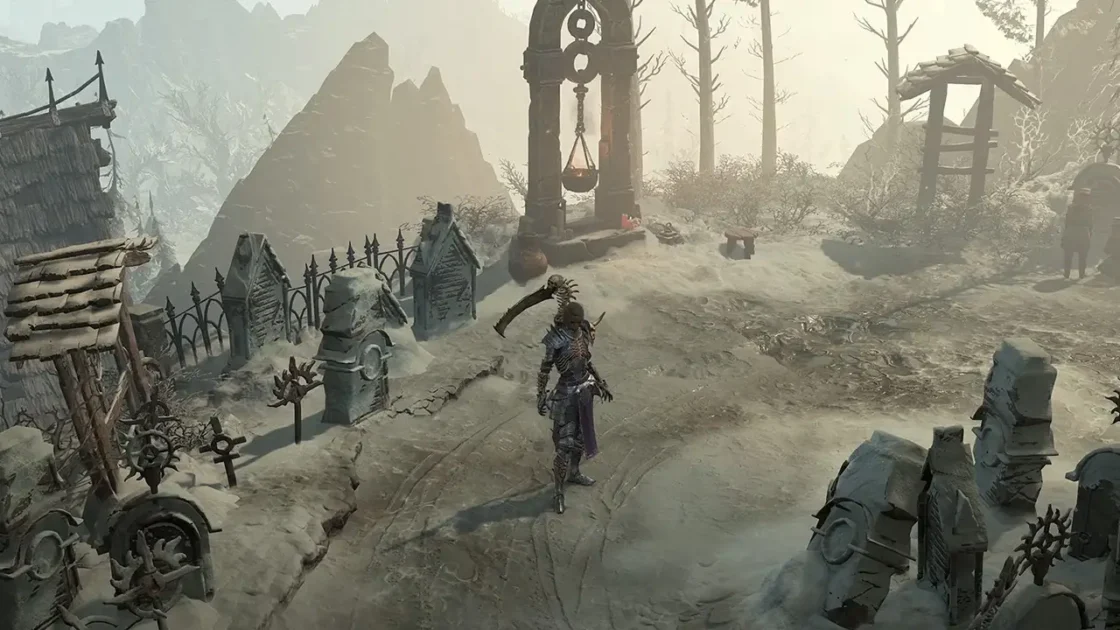
The world of Sanctuary, where Diablo 4 unfolds, is a testament to the power of intricate game world design. From its dark, foreboding dungeons to the sprawling landscapes depicting despair and desolation, the world feels alive and reacts to the player’s actions. But what truly makes a game world captivating? It’s the seamless integration of lore, legend, and landscape. In Diablo 4, each location, whether a haunting wasteland or an intricately designed cityscape, tells a story, adding layers to the overarching narrative and making players more invested in the world they’re exploring.
Game Mechanics and Player Engagement
Gameplay mechanics are the heart and soul of any game. For Diablo 4, the evolution is evident in the fluidity of character movements, the variety of skills and abilities available, and the strategies players must employ to overcome challenges. A game’s mechanics should serve a dual purpose: they should be intuitive enough for newcomers and deep enough to keep veterans engaged. A key to player engagement is the balance between challenge and reward. In Diablo 4, there’s a corresponding loot or skill upgrade for every challenging boss battle, ensuring players are always motivated to progress.
Narrative and Storytelling

The tale of Diablo 4 isn’t just about hacking and slashing demons; it’s a dark, engrossing story of betrayal, power, and redemption. Relatable characters, moral dilemmas, and unforeseen plot twists drive an engaging narrative. Diablo 4 weaves all these elements together beautifully. Moreover, side quests in the game are not mere distractions; they provide deeper insights into the world, often revealing lore and character backstories, making the entire narrative richer and more immersive.
Sound Design and Immersion
While visuals draw players in, the sound design truly engulfs them in the gaming experience. Every rustle of leaves, the whisper of the wind, or the demonic growl in Diablo 4 has been crafted precisely. Depending on the scenario, the game’s musical score sets the tone, evoking feelings of suspense, excitement, or even melancholy. On the other hand, sound effects provide real-time feedback and enhance immersion, making players feel they’re truly part of the world.
Feedback Loops and Player Retention
Feedback in gaming is crucial. It informs players they’re on the right track or need to adjust their strategy. In Diablo 4, feedback comes in many forms: from the satisfying sound of loot dropping to the visual spectacle of a skill upgrade.
These feedback loops ensure players always have a sense of direction and achievement. Moreover, the game brilliantly balances short-term rewards, like finding a new weapon, with long-term goals, like mastering a character class, ensuring players keep coming back for more.
Final Takeaway
Using Diablo 4 as a reference in classroom discussions offers a modern, relatable approach to the intricate world of game development. It provides a comprehensive look into the myriad of components that come together to make a blockbuster game.
Through lively discussions around such a relevant example, educators can not only teach the intricacies of game design but also inspire the next generation of game developers. So, the next time you want to make your classroom discussions more engaging, remember: Diablo 4 isn’t just a game — it’s a treasure trove of design insights waiting to be explored.